
Tell the EPA: Protect Farmers, Not Bayer's Profits
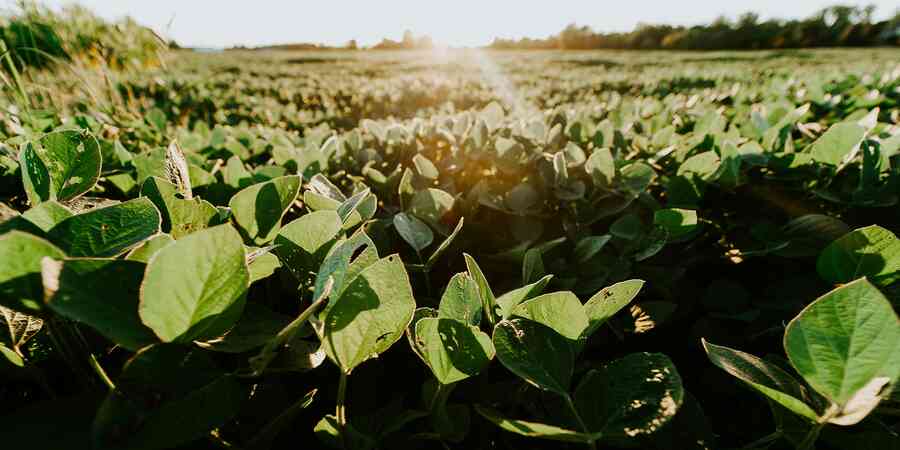
Trump's EPA just approved an herbicide that experts have described as causing the worst herbicide drift damage in U.S. agricultural history – damaging millions of acres of farmland, threatening pollinators, and harming trees, wildlife refuges, and home gardens.

Federal courts have already twice thrown out EPA approvals for the use of dicamba on cotton and soybean crops that have been genetically modified to withstand it. Even so, Trump's EPA approved it for use for two more growing seasons.

Tell the EPA to revoke its approval of dicamba on genetically modified cotton and soybeans before more farms and ecosystems are harmed.

Now, newly released documents also reveal that the EPA invited dicamba maker Bayer to provide input on how the agency should regulate the herbicide. Bayer selected less restrictive options for limiting dicamba's runoff and drift, and the EPA incorporated Bayer's choices into its proposed regulations.

The EPA's job is to protect the public and our environment, not Big Ag profits. Sign the petition today and tell the EPA to revoke its approval of over-the-top dicamba use on cotton and soybeans.

The petition to the EPA reads: "Revoke the approval of over-the-top dicamba use on cotton and soybeans. Protect public health and the environment by working with farmers to develop sustainable approaches to weed management."
By signing, you’re agreeing to receive periodic messages from Civic Shout—you can unsubscribe anytime. For texts, message & data rates apply.
While on this site, you may also see content from other organizations that use CivicShout.com.