Endangered Species Deserve Better Than "We Didn’t Mean To"
Killing an endangered animal should not become acceptable simply because you can say you didn’t mean to do it.

Yet that is the logic behind a sweeping new directive from U.S. Fish and Wildlife Service Director Brian Nesvik — one that could strip some of America’s most vulnerable animals of protections they have relied on for decades.

The Endangered Species Act prohibits the “take” of protected wildlife, a term Congress explicitly defined to include harming, wounding and killing animals. For decades, federal wildlife protections have recognized that prohibited harm can include actions that kill or injure endangered animals even when nobody deliberately set out to target a particular animal.

Now the Trump administration is replacing that longstanding approach with a far narrower one that puts already-imperiled species at greater risk.

Nesvik’s September 14 directive tells agency personnel that a prohibited take requires an intentional act directed at a particular animal, with a direct and immediate effect.

The consequences are hard to stomach.

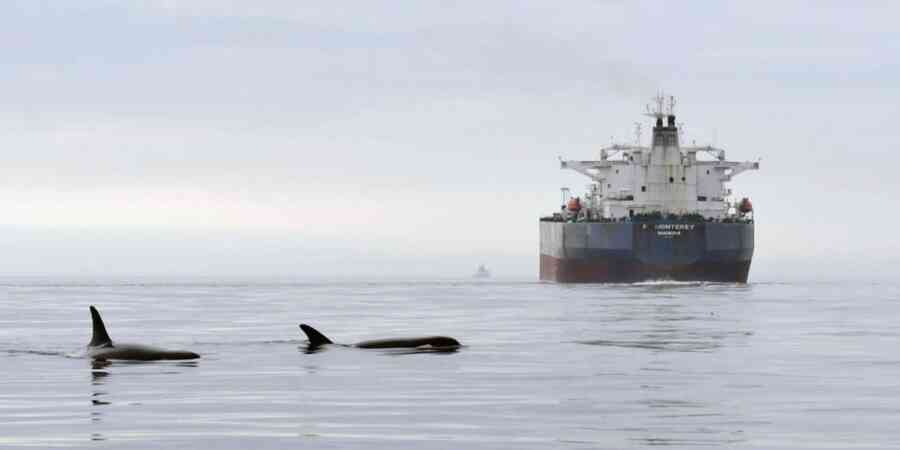
Nesvik’s directive says that if a vessel strikes an endangered whale, that would not count as a take if the vessel was not deliberately directed at the whale. Cutting down a tree full of protected bats would not count either — unless the tree was felled specifically to kill or capture them.

In other words, an endangered animal could be crushed, struck or killed by a foreseeable human action, and federal wildlife officials could decline to treat it as an illegal take because killing the animal was not the purpose of the activity.

That is a dramatic break from the broader interpretation upheld by the Supreme Court in 1995. In a landmark Endangered Species Act case, the Court rejected the argument that “take” should be limited to actions intentionally directed against particular animals.

And this is not happening in isolation.

Nesvik’s memo arrived the same day the administration’s separate rollback of the longstanding regulatory definition of “harm” took effect — removing language that expressly covered significant habitat modification that actually kills or injures protected wildlife. The new directive goes even further by applying its narrower standard to “take” more broadly.

The combined impact of these attacks could be devastating: fewer consequences when human activities foreseeably kill endangered animals, and weaker protections for the habitat they need to survive.

Dan Ashe, who previously led the U.S. Fish and Wildlife Service, says the change “creates a huge loophole” that could “completely relieve people of any responsibility for their actions, even consequences that can be easily predicted” — meaning companies could foreseeably kill endangered animals and still avoid liability if killing them was not the stated purpose.

Animals on the brink of extinction do not become less dead because nobody admits they intended to kill them.

Please sign the petition demanding that U.S. Fish and Wildlife Service Director Brian Nesvik rescind this directive immediately.

The petition to U.S. Fish and Wildlife Service Director Brian Nesvik reads: Rescind the September 14 directive narrowing the Endangered Species Act’s prohibition on “take.” Endangered animals must remain protected from foreseeable killing and injury, even when their deaths are caused by human activities that were not undertaken for the specific purpose of killing them. Do not dismantle decades of wildlife protection by creating an intent loophole for the killing of endangered species.

_______

Source:

https://biologicaldiversity.org/w/news/press-releases/trump-administration-directive-would-allow-killing-of-endangered-wildlife-2026-09-17/

https://apnews.com/article/endangered-species-killing-wildlife-trump-a4f2c2392dd6b9f8cfb35eb0a4716092
By signing, you’re agreeing to receive periodic messages from Animal Commons—you can unsubscribe anytime. For texts, message & data rates apply.
While on this site, you may also see content from other organizations that use CivicShout.com, the content of which Animal Commons is not responsible for.