USFWS: Investigate U.S. Links to Facebook Wildlife Trade
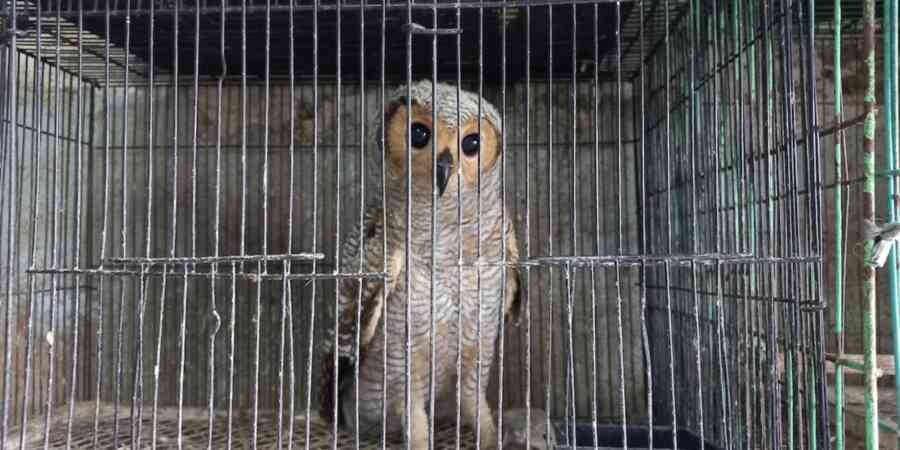
A shocking investigation by Mongabay and Bellingcat identified at least nine Facebook groups in Indonesia where protected wildlife was openly offered for sale—some with tens of thousands of members combined. From endangered Javan silvery gibbons to protected rhinoceros hornbills, these groups facilitated the sale of animals taken directly from the wild, often in blatant violation of conservation laws.

Following the investigation, Facebook removed these groups and reiterated its policies prohibiting illegal wildlife trade—an important step that shows action is possible, but also underscores how long this activity was able to persist on the platform.

Even more alarming, traffickers used coded language and coordinated networks to evade detection, with investigators tracing activity back to organized brokers and long-running online marketplaces. These findings expose a global criminal ecosystem—one that does not stop at national borders.

Because wildlife trafficking networks often operate across borders and online platforms, U.S. authorities should determine whether any U.S. residents took part in these groups or related transactions. If U.S.-based buyers, sellers, or intermediaries were involved, they may have violated federal laws, including the Endangered Species Act and the Lacey Act.

That’s why we are calling on the U.S. Fish & Wildlife Service’s Office of Law Enforcement to immediately investigate whether any U.S. residents participated in these now-closed Facebook groups.

Authorities must:

• Identify any U.S.-based individuals connected to these illegal wildlife sales.

• Coordinate with international partners to trace trafficking networks.

• Enforce U.S. wildlife protection laws to the fullest extent possible.

• Strengthen monitoring of online platforms used to facilitate wildlife crime.

Wildlife trafficking is not a victimless crime. It pushes endangered species closer to extinction, fuels organized crime, and undermines global conservation efforts. Social media has become a powerful tool for traffickers—but it must not become a safe haven.

The United States has both the responsibility and the legal authority to act. If Americans are part of this illegal trade, they must be held accountable.

Sign this petition to demand a full investigation—and help protect endangered species from exploitation before it’s too late.

The petition to  the USFWS Office of Law Enforcement reads: We urge the U.S. Fish & Wildlife Service to investigate whether any U.S. residents participated in Facebook groups trafficking protected wildlife species and to pursue enforcement actions where violations of U.S. law are found. We call on your office to work with international partners to dismantle these trafficking networks and ensure that online platforms are no longer used to facilitate illegal wildlife trade.
_______

Source:

https://news.mongabay.com/2026/03/facebook-shuts-indonesia-groups-after-mongabay-and-bellingcat-report-illegal-wildlife-trade/
By signing, you’re agreeing to receive periodic messages from Animal Commons—you can unsubscribe anytime. For texts, message & data rates apply.
While on this site, you may also see content from other organizations that use CivicShout.com, the content of which Animal Commons is not responsible for.