Turn New Red Wolf Pups Into a Lasting Comeback
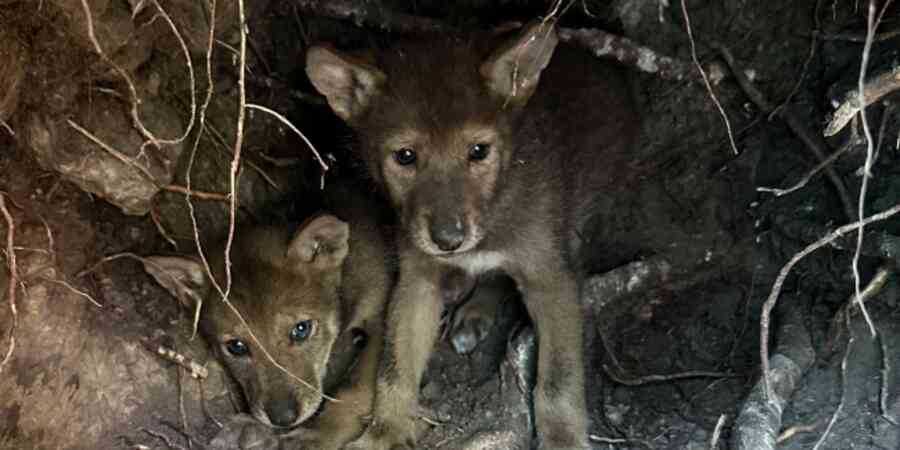
Four new litters of red wolf pups have been born in the wild—and for the most endangered wolves in the world, that is a reason for real hope.

But hope alone will not save the red wolf.

Only one wild population remains anywhere on Earth—and it is perilously small: just 22 adults and an estimated 12 to 16 surviving pups living in eastern North Carolina.

These wolves face enormous obstacles, including vehicle strikes and illegal shootings. Some are killed after being mistaken for coyotes, who are themselves relentlessly persecuted. With so few red wolves left, the death of even one breeding adult can break apart a family group and erase years of recovery work.

The U.S. Fish and Wildlife Service (USFWS) has an opportunity to build on this encouraging momentum.

The population of red wolves living in accredited conservation facilities has been growing, giving recovery experts more opportunities to identify animals suitable for carefully planned releases, breeding pairs, family groups, and pup fostering.

These recovery tools have worked before. After federal biologists returned red wolves to eastern North Carolina in 1987, their wild population eventually climbed above 130. That progress was later reversed as shootings and weakened federal management contributed to a collapse that left only seven known wolves.

The lesson is clear: Red wolves can recover, but only through sustained action. USFWS, conservation facilities, landowners, and local communities have helped give this species another chance—and that work must continue.

Three of this year’s litters were born to pairs that also raised pups last year. The fourth arrived on private property where a participating landowner has chosen to make space for red wolf recovery. These successes show that wolves can reproduce and thrive when people give them room and protection.

Wild releases must be carefully planned and paired with public education, coexistence programs, stronger protections against illegal shootings, and continued efforts to prevent deadly vehicle strikes. Planned wildlife crossings along Highway 64 could help protect red wolves and other animals from traffic—and should be completed as part of a comprehensive recovery strategy.

But even warranted caution cannot become an excuse for moving too slowly while the species remains on the brink.

USFWS should build on this momentum by expanding scientifically recommended releases from the managed population, increasing pup fostering and family-group releases, protecting wolves already living in the wild, and establishing additional populations in suitable areas throughout the red wolf’s historic range in the Southeast.

These pups could mark the beginning of a lasting comeback. Please sign the petition urging USFWS to keep that momentum going.

The petition to USFWS Southeast Region reads: We urge the U.S. Fish and Wildlife Service to continue working to recover red wolves in the wild by expanding carefully planned releases, supporting wildlife crossings and other protections, and turning this fragile progress into a lasting comeback.
_______

Source:

https://biologicaldiversity.org/w/news/press-releases/four-litters-of-wild-red-wolf-pups-born-in-north-carolina-2026-07-15/ Center for Biological Diversity | Four Litters of Wild Red Wolf Pups Born in North Carolina
While on this site, you may also see content from other organizations that use CivicShout.com, the content of which Animal Commons is not responsible for.