Tell the EPA: Ban the Parkinson’s Causing Herbicide Paraquat
The EPA has finally admitted paraquat has "documented safety challenges." Now it must do more than hold a roundtable — it must ban this dangerous herbicide.

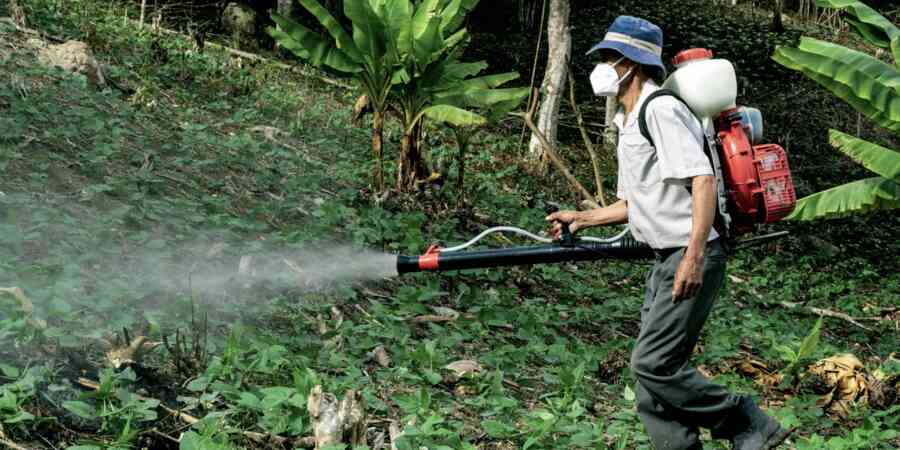
Paraquat has been used on U.S. farms for decades, even as research has linked chronic exposure to serious brain health risks, including Parkinson’s disease. Farmworkers, rural communities, and families living near sprayed fields should not have to keep serving as test subjects while regulators study what they already know is dangerous.

The EPA is holding a roundtable this summer to hear from scientists, farmworkers, community advocates, and others about paraquat’s risks, including concerns that it may move beyond treated fields through the air. That is an important step — but it cannot become another delay tactic.

Tell EPA Administrator Lee Zeldin: Ban paraquat now and protect farmworkers, families, and rural communities from needless exposure.

Vermont has already become the first state in the nation to ban paraquat, showing that stronger action is possible. Dozens of countries have restricted or banned it. Even Syngenta, the company long associated with paraquat products, announced it would stop making and selling its paraquat herbicides — but generic versions remain on the market.

That means the danger is not over. As long as paraquat remains legal, farmworkers will keep facing exposure at work, rural families may face exposure near fields, and communities already burdened by pesticide pollution will keep paying the price.

The EPA has the authority and responsibility to act when pesticides cannot meet basic safety standards. Public pressure now can help ensure the agency uses its current review and roundtable process to deliver real protection — not weaker rules, voluntary measures, or more delay.

Add your name now and demand the EPA ban paraquat before more workers and communities are put at risk.

The petition to EPA Administrator Lee Zeldin reads: "Ban paraquat nationwide. Protect farmworkers, rural communities, and families from exposure to this dangerous herbicide, and require a transition to safer alternatives."
By signing, you’re agreeing to receive periodic messages from Action Collective—you can unsubscribe anytime. For texts, message & data rates apply.
While on this site, you may also see content from other organizations that use CivicShout.com, the content of which Action Collective is not responsible for.