Stop the House’s Lead Poisoning Bill
The Senate must act now to stop a dangerous bill that would put wildlife across the country at greater risk. H.R. 556 — the misleadingly named “Protecting Access for Hunters and Anglers Act” — has already passed the House, and now the Senate is our last chance to stop it. Despite its name, this bill isn’t about protecting access — it’s about blocking action to stop widespread lead poisoning of wildlife. Scientists have long warned there is overwhelming evidence that lead from ammunition and fishing tackle is toxic and continues to enter the food chain, harming animals across the country.

This bill would block the Departments of Interior and Agriculture from limiting lead on public lands — even when science shows it’s necessary. It would impose an unrealistic burden of proof on agencies before they act, effectively preventing them from stopping wildlife deaths before they happen.

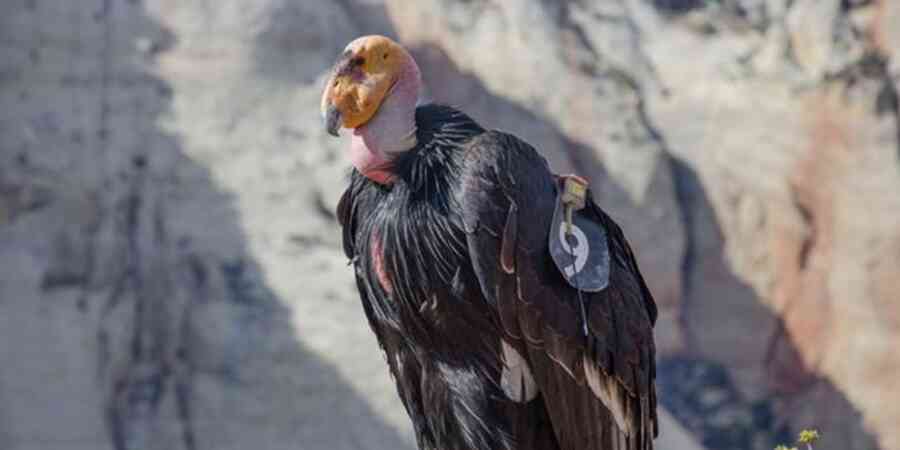
Lead is a deadly neurotoxin. When animals are shot with lead ammunition, fragments scatter through their bodies. Scavengers like bald eagles and the critically endangered California condor ingest those fragments when feeding on carcasses — often leading to slow, painful deaths.

In fact, lead poisoning is the leading cause of death for condors, a species still fighting to recover.

And the crisis is widespread. At least 75 bird species in the U.S. are poisoned by lead ammunition, and thousands of waterbirds — including loons, swans, and ducks — ingest lead fishing tackle every year. More than 130 species worldwide are affected. This is not isolated — it’s a systemic and completely preventable threat.

Non-toxic alternatives are already affordable, widely available, and effective. Hunters and anglers across the country are successfully making the switch. But H.R. 556 would block progress and weaken protections for endangered species, which is why conservation organizations widely oppose it.

The Obama administration recognized this crisis and began phasing out toxic lead ammunition and fishing tackle on federal lands to protect wildlife and public health. That effort was grounded in science, conservation values, and a commitment to safeguarding endangered species like the California condor. H.R. 556 would reverse that progress and strip federal agencies of the authority they need to act—moving us backward at a time when we should be strengthening protections for wildlife, not weakening them.

At a time of accelerating biodiversity loss, we should eliminate preventable poisons — not protect them.

The House has passed this dangerous bill. The Senate must stop it.

Tell your Senators: Vote NO on H.R. 556 and protect eagles, condors, and wildlife from toxic lead poisoning.

The petition to members of the U.S. Senate reads: Reject H.R. 556, a dangerous House-passed bill that would block efforts to reduce toxic lead ammunition and fishing tackle on public lands, putting wildlife at serious risk. Lead poisoning is killing eagles, condors, and other species, and federal agencies must retain the authority to act on clear scientific evidence to prevent further harm. Vote NO on H.R. 556 to protect wildlife and uphold your responsibility to safeguard our nation’s public lands and endangered species.
_______

Sources:

Center for Biological Diversity | Get the Lead Out Campaign | https://www.biologicaldiversity.org/campaigns/get_the_lead_out/

National Park Service | Lead Poisoning and Wildlife | https://www.nps.gov/pinn/learn/nature/leadinfo.htm

The Wildlife Society | Lead Ammunition and Wildlife Impacts | https://wildlife.org/wsb-special-section-highlights-lead-ammunition/
By signing, you’re agreeing to receive periodic messages from Animal Commons—you can unsubscribe anytime. For texts, message & data rates apply.
While on this site, you may also see content from other organizations that use CivicShout.com, the content of which Animal Commons is not responsible for.