Stop Making Bears Pay for Human Mistakes
UPDATE: Since we first published this petition, the stakes have become even clearer. Montana wildlife officials just killed 14 black bears at a single property near Bozeman after responding to reports that wild bears were being intentionally fed. Officials said the bears had become severely food-conditioned and lost their fear of people. One cub was spared and is being considered for placement at an accredited zoo. The feeding investigation is still ongoing.

Fourteen bears dead at one property is a devastating example of what can happen when human behavior turns wild animals into public-safety threats. By the time bears are this food-conditioned, managers may have few options left. That is why prevention matters so much.

Please sign the petition urging wildlife agencies in Montana, Idaho, and Wyoming to expand proactive, nonlethal conflict prevention before more bears pay with their lives.

_______

Bears should not have to die because people left out garbage, failed to secure attractants, or deliberately fed wildlife.

But in southern Montana, that is exactly the kind of chain reaction wildlife managers are confronting — and bears are paying the price.

Around Red Lodge, Montana, wildlife officials had responded to more than 200 bear-conflict reports within 15 miles by late August. Six bears, including two grizzlies, had already been killed by the state wildlife agency.

This has been a hard year for bears. Dry conditions and a late freeze have reduced some natural foods, pushing hungry animals to roam farther in search of something to eat.

But human behavior can turn hunger into a death sentence.

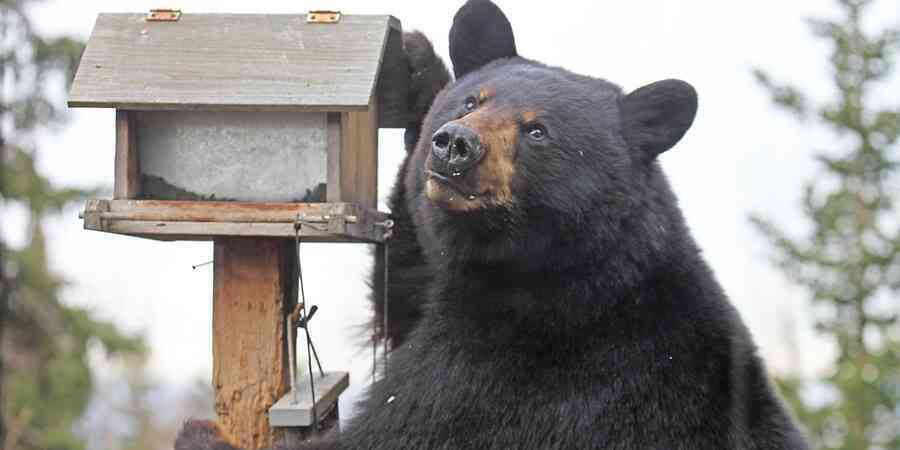
Garbage, bird feeders, compost and other easy food sources can draw bears into neighborhoods and teach them that people mean food. And wildlife officials say some people have gone even further by intentionally feeding bears — increasing the risk that those animals will keep coming back, lose their natural caution and eventually be killed.

Montana bear specialist Daniel McHugh put it starkly: “The community loads the gun.”

Wildlife managers may ultimately be the ones who kill a dangerous, food-conditioned bear. But the conditions that lead to that moment can be created long before anyone pulls a trigger.

By the time a bear is breaking into homes, approaching people or otherwise becoming a serious public-safety threat, managers may have few options left. That is why prevention — and early nonlethal intervention — have to come first.

And Montana is not alone. Wildlife officials in Idaho and Wyoming are also dealing with bears entering communities and accessing human food sources.

There are proven ways to reduce these conflicts without killing bears. Bear-resistant garbage containers can keep food out of reach. Electric fencing can protect livestock and other attractants. Communities can secure bird feeders, pet food, and garbage. Wildlife agencies can expand education and use nonlethal deterrents such as hazing when appropriate to keep bears wary of people.

The earlier communities and agencies act, the better chance they have to stop a conflict before it ends with a dead bear.

Wildlife agencies cannot prevent every dangerous encounter. But killing a bear should not become the predictable outcome of conflicts that could have been prevented or addressed sooner.

Please sign the petition urging wildlife agencies in Montana, Idaho, and Wyoming to expand proactive, nonlethal efforts to prevent human-bear conflicts before bears pay with their lives.

The petition to Montana Fish, Wildlife & Parks, Idaho Fish and Game, and the Wyoming Game and Fish Department reads: Expand programs that prevent human-bear conflicts, including bear-resistant waste and food storage, assistance for communities securing attractants, public education, early reporting, and nonlethal interventions. Protect people and bears by preventing avoidable conflicts before they become deadly.

_______

Sources:

https://cowboystatedaily.com/2026/09/30/montana-wildlife-officials-kill-14-black-bears-on-one-property-near-bozeman/

https://www.hcn.org/articles/as-bears-spin-out-in-southern-montana-wildlife-managers-are-at-wits-end/

Photo credit: FWS / Tim Bowman https://www.fws.gov/media/black-bear-tim-bowman
By signing, you’re agreeing to receive periodic messages from Animal Commons—you can unsubscribe anytime. For texts, message & data rates apply.
While on this site, you may also see content from other organizations that use CivicShout.com, the content of which Animal Commons is not responsible for.