55 Sloths Died: Florida Must Close Loopholes That Allowed It
Fifty-five sloths are dead.

They were imported into Florida for a commercial attraction that never even opened.

The animals suffered. The business failed. And the loopholes that allowed this tragedy to happen are still on the books.

Many of the sloths had been imported from South America before dozens died in Florida. Veterinarians and investigators reported concerns including dehydration, poor body condition, and inadequate housing among surviving animals rescued from the operation.

The tragedy shocked animal lovers across the country. But the most disturbing part is this:

Florida's laws allowed it to happen.

Tell the Florida Fish and Wildlife Conservation Commission: Close the loopholes that allowed 55 sloths to die and strengthen oversight before more animals suffer.

Under current rules, sloths are classified as Class III wildlife. Owners are not required to report animal deaths to the state, and regulators only learned the full scope of the losses after conducting inspections. Despite dozens of deaths, state records indicate no citations were issued before the operation collapsed.

That's not meaningful oversight.

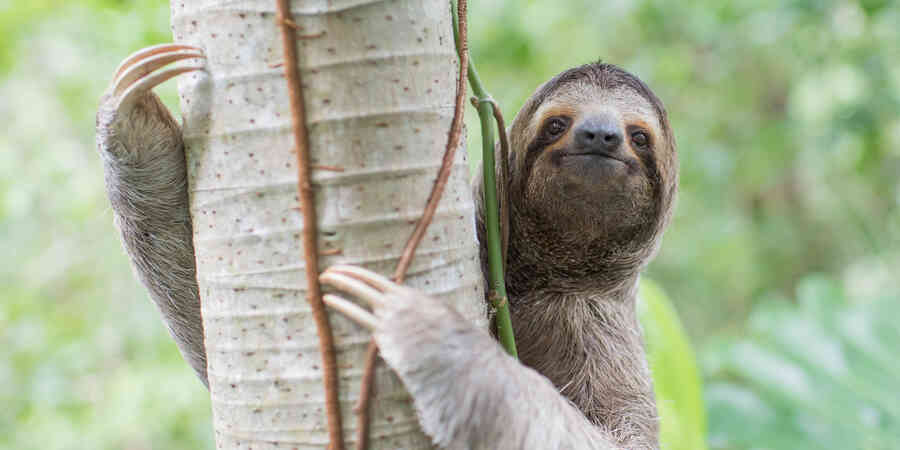
Wild sloths are not entertainment. They are sensitive animals with specialized needs that make transport, confinement, and commercial exhibition inherently risky. And because the vast majority of sloths imported into the United States enter through Miami, Florida has an outsized responsibility to ensure these animals are protected. What happens in Florida doesn't stay in Florida—it shapes the future of the sloth trade nationwide.

The deaths linked to Sloth World weren't just a
Florida tragedy. They exposed weaknesses in the system that governs the importation and treatment of sloths across the United States.

Florida can lead the way by closing the loopholes that allowed this disaster to happen and setting a higher standard for animal welfare nationwide.

We call on the Florida Fish and Wildlife Conservation Commission to:

1: Permanently prohibit the importation of wild-caught sloths for commercial exhibition, animal encounters, and other non-conservation entertainment uses.

2: Require facilities to promptly report sloth deaths and serious illnesses to state regulators.

3: Strengthen oversight of sloths and other exotic animals classified as Class III wildlife.

4: Support a full investigation into the deaths linked to Sloth World and whether any animal welfare or cruelty laws were violated.

5: Close regulatory loopholes that allow exotic animals to be housed and transported without adequate accountability.

Fifty-five dead sloths should be enough.

Florida has a choice: protect wildlife or protect the industries that profit from exploiting it. Please sign the petition to call on the  Florida Fish and Wildlife Conservation Commission to take action today.

Make sure this never happens again.

The petition to the Florida Fish and Wildlife Conservation Commission reads: Fifty-five sloths died after being imported into Florida for a commercial attraction that never even opened, exposing dangerous gaps in oversight of the exotic wildlife trade. We urge the Commission to permanently prohibit the importation of wild-caught sloths for commercial use, strengthen reporting and oversight requirements, and investigate whether animal welfare laws were violated. Florida is the primary gateway for sloth imports into the United States, and it must lead the way in preventing another tragedy like this from ever happening again.
_______

Sources:

https://insideclimatenews.org/news/21052026/impact-sloth-world-deaths/

https://www.clickorlando.com/news/local/2026/05/05/55-sloths-now-dead-in-connection-to-sloth-world/
By signing, you’re agreeing to receive periodic messages from Animal Commons—you can unsubscribe anytime. For texts, message & data rates apply.
While on this site, you may also see content from other organizations that use CivicShout.com, the content of which Animal Commons is not responsible for.