December 7, 2025
Thank CITES — and Urge Stronger Shark Protections
Sharks and rays are among the most awe-inspiring animals on Earth — ancient, intelligent guardians of our oceans. But today, many of these species are being pushed to the brink of extinction by relentless overfishing and the global wildlife trade. That’s why the bold action taken at CITES CoP20 is such a decisive moment of hope — and why we must speak out right now to make sure this progress becomes a turning point, not just a headline.
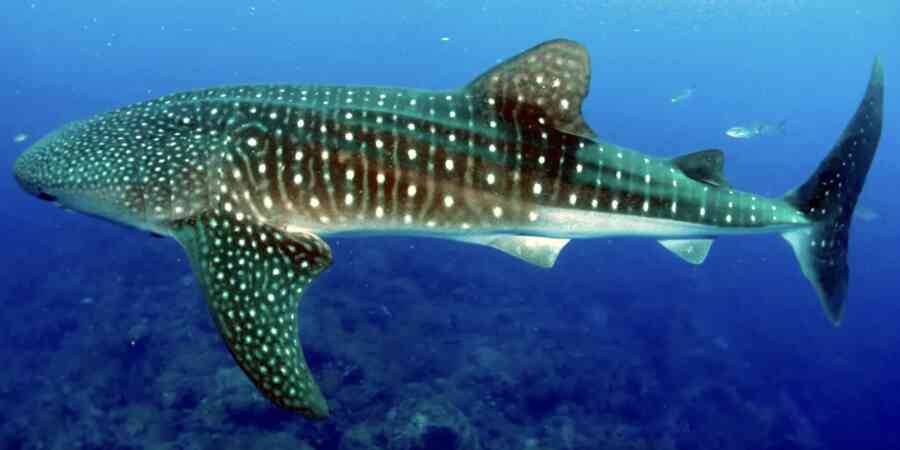
At the recent CITES CoP20 meeting, governments voted to extend landmark global protections to more than 70 shark and ray species. These decisions include a historic trade ban for the critically endangered Oceanic whitetip shark, full protections for manta and devil rays, and strengthened restrictions for dozens of other species whose numbers have plummeted in recent decades. These protections are some of the most sweeping safeguards ever adopted for sharks and rays.
This progress is happening at a critical moment. More than one-third of all shark and ray species are now threatened with extinction, and many populations have collapsed due to finning, overfishing, and unregulated global trade. Losing these animals would be devastating — sharks and rays are essential to healthy ocean ecosystems, and their decline accelerates the broader crisis of biodiversity loss.
That’s why we’re grateful for CITES’ leadership — and why we urge CITES member governments to go further. Passing protections is only the first step. We need:
• Strong, consistent enforcement so that illegal trade does not undermine these new rules.
• Transparent reporting and monitoring to ensure countries follow through.
• Expanded protections for additional species still at extreme risk.
• Rapid action to close remaining loopholes used by wildlife traffickers.
CITES’ decisions at CoP20 offer real hope — but only if governments fully implement and strengthen these measures. Please sign the petition to thank CITES for taking long-overdue action to protect sharks and rays — and to urge leaders to do even more to save these threatened species from disappearing forever.
Thank you for all that you do,
Mitch w/ Animal Commons
Sources