October 13, 2026
Stop Fast-Tracking Arctic Drilling and Climate Destruction
The Arctic is warming at an alarming rate. The Trump administration's response? Make it easier for oil companies to drill for more fossil fuels — without even conducting the usual environmental reviews.
In a sweeping new move, the Department of the Interior is allowing winter oil and gas exploration across Alaska's 23-million-acre National Petroleum Reserve to bypass project-specific environmental reviews under the National Environmental Policy Act.
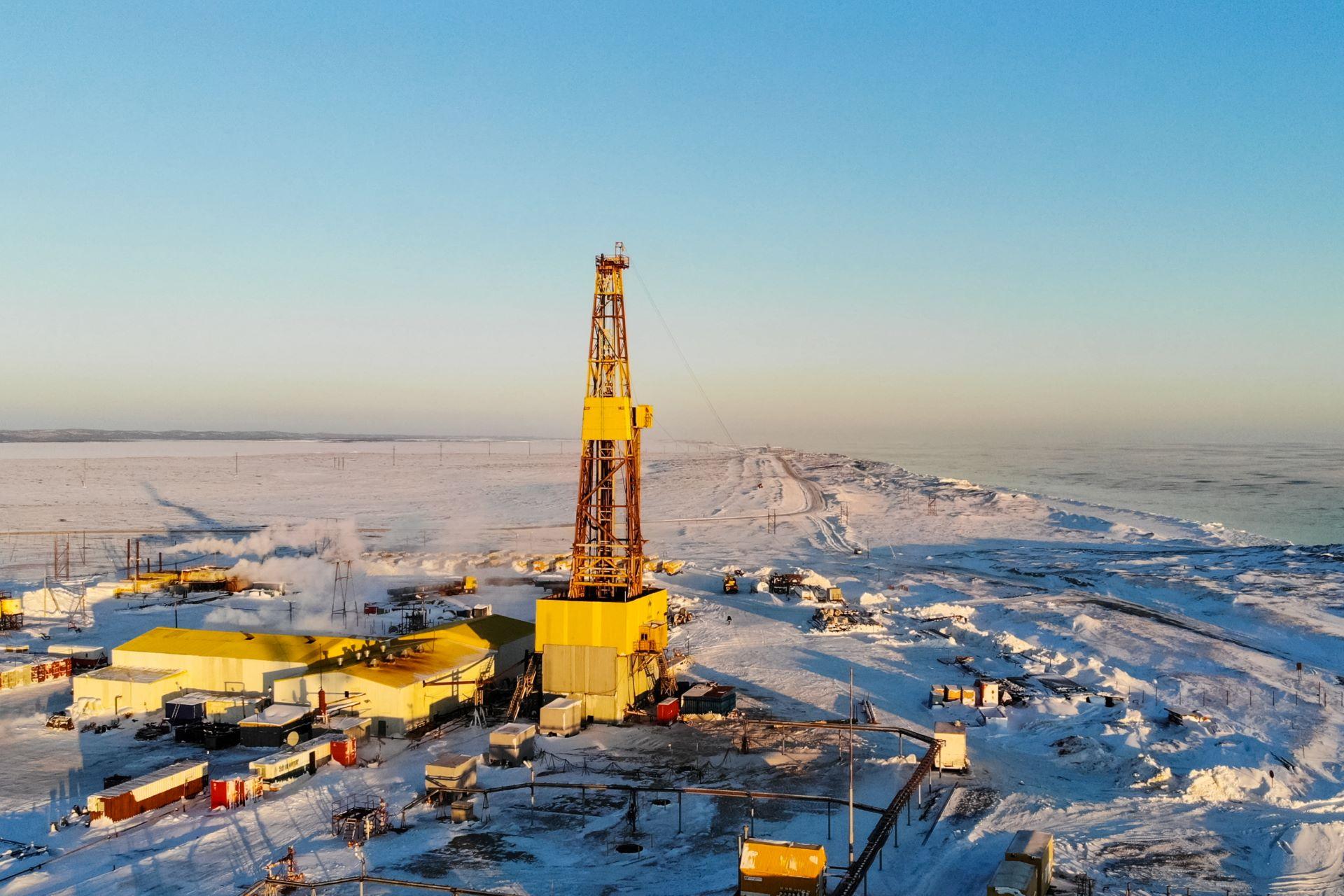
That means seismic testing, exploratory drilling, and associated infrastructure could move forward without the usual project-specific environmental assessments — or meaningful opportunities for public input.
This is a dangerous giveaway to the fossil fuel industry at precisely the moment we should be moving away from the oil and gas driving the climate crisis.
The Arctic is warming several times faster than the global average. Rising temperatures are melting sea ice, thawing permafrost, disrupting ecosystems, and threatening Indigenous communities whose lives and livelihoods depend on this fragile region.
Thawing permafrost can release additional greenhouse gases, creating a dangerous feedback loop that accelerates global warming.
Yet instead of confronting this escalating crisis, the administration is clearing the way for more drilling.
And the consequences won't stay in Alaska.
Every new oil project risks locking in decades of additional fossil fuel production and climate pollution. That means more heat-trapping emissions contributing to extreme weather, destructive flooding, prolonged droughts, and rising seas across the country.
Meanwhile, industrial development threatens Arctic wildlife, sensitive tundra, and lands that Alaska Native communities depend upon.
The administration argues that previous environmental studies justify skipping additional reviews. But past studies cannot substitute for examining the risks of new projects in a rapidly changing Arctic.
We cannot drill our way out of a climate crisis caused by burning fossil fuels.
Thank you for all that you do,
Mitch w/ Tipping Point
Source:
The Hill | Trump exempts oil exploration in Arctic petroleum reserve from environmental reviews
Photo: A drilling rig on Alaska's North Slope. Photo by iStockphoto.